2025.3.29—5.17
Look into my eyes: What is children eyes
「在成為圖文交織的敘事藝術之前,圖畫書首先是一本『書』。」
本次開幕展覽以20本選書結合14個關鍵字——物體/遊戲/容器/場域/合作對象/行動過程/裝訂結構/材質/頁面造型/印刷效果/感官體驗/時空序列/觀念/書,作為理解及創作藝術繪本的多重路徑。
在這些路徑交織的視域中,我們可以發現,比起「書是什麼?」,這場展覽更想探問的其實是:「閱讀可以是什麼?」
“Before picturebooks become a narrative art form which interweaves text and images, they are, first and foremost, books.”
In this opening exhibition, 20 picturebooks are presented alongside 14 key concepts—object,play, container, space, collaborator, process of actions, binding structure, paper material, shape, printing effect, sensory experience, space-time sequence, concept, book—which can be deemed as multiplex approaches to understand and create picturebooks.
In the intertwined perspectives, we can find out that rather than asking “what is a book?”, from art picturebooks and their possibilities, children eyes means to explore: what can reading be?
- 展覽介紹
「圖畫書在成為圖文交織的敘事藝術之前,它首先是一本『書』。」
繪本作為圖文藝術已發展並累積了豐富理論與創作基礎,儘管已然成為一門成熟的藝術類別,其中仍有一些作者,藉由作品持續探索書籍邊界,尋找繪本新的可能性。
義大利設計師及藝術家布魯諾.莫那利(Bruno Munari) 於1945年為五歲兒子創作的九本作品,被認為是這類作品最具代表性的先鋒之一(後來由出版社命名為Books of ’45系列)。這些作品以少量內頁結合機關、裁型與挖洞,使繪本成為一種翻頁遊戲。其後的實驗作品《無法閱讀的書(暫譯)》(Libri illeggibili)及《書前書(暫譯)》(Prelibri)更進一步跳脫圖與文的範疇,思考紙張及書籍結構如何成為訊息本身。
事實上,早在二十世紀初,美國的繪本作家彼得・紐威爾(Peter Newell) 便創作出《顛倒書》(Topsys & Turvys)、《洞洞書》(The Hole Book)、《斜坡書》(The Slant Book)、《火箭書》(The Rocket Book)等作品,透過書籍的物質性進行敘事實驗,是最早以繪本作為「書物件」(book-object)的先驅。
以這類亟欲跳脫原先定義框架的作品為出發點,children eyes暫且將其定義為(以書籍實驗為核心的)藝術繪本,並以此為線索,開展閱讀的方向性。
本次開幕展覽以20本選書結合14個關鍵字——物體/遊戲/容器/場域/合作對象/行動過程/裝訂結構/材質/頁面造型/印刷效果/感官體驗/時空序列/觀念/書,作為理解及創作藝術繪本的多重路徑。
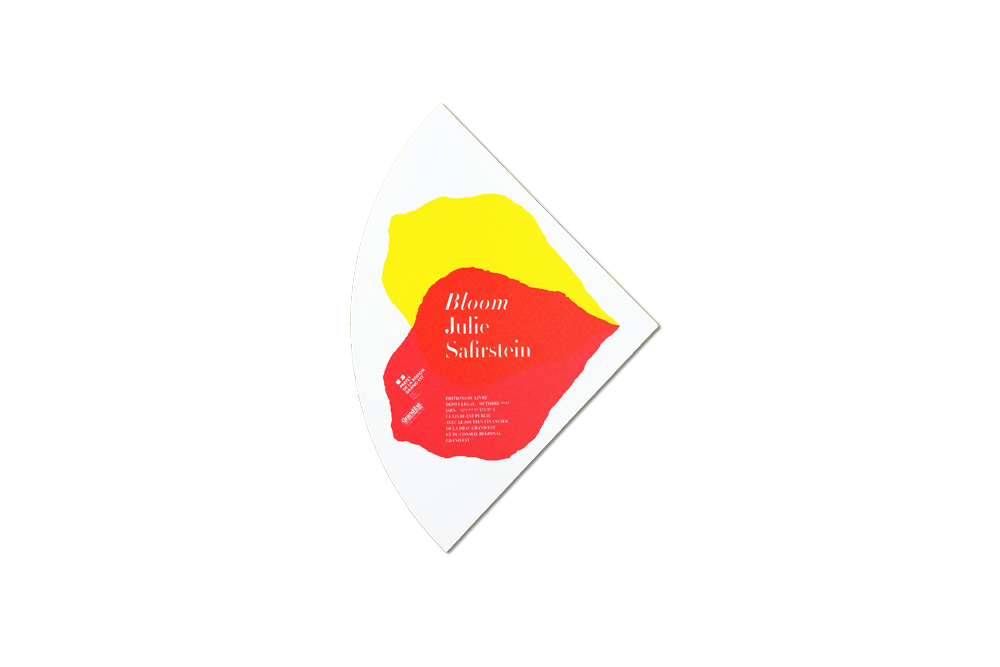
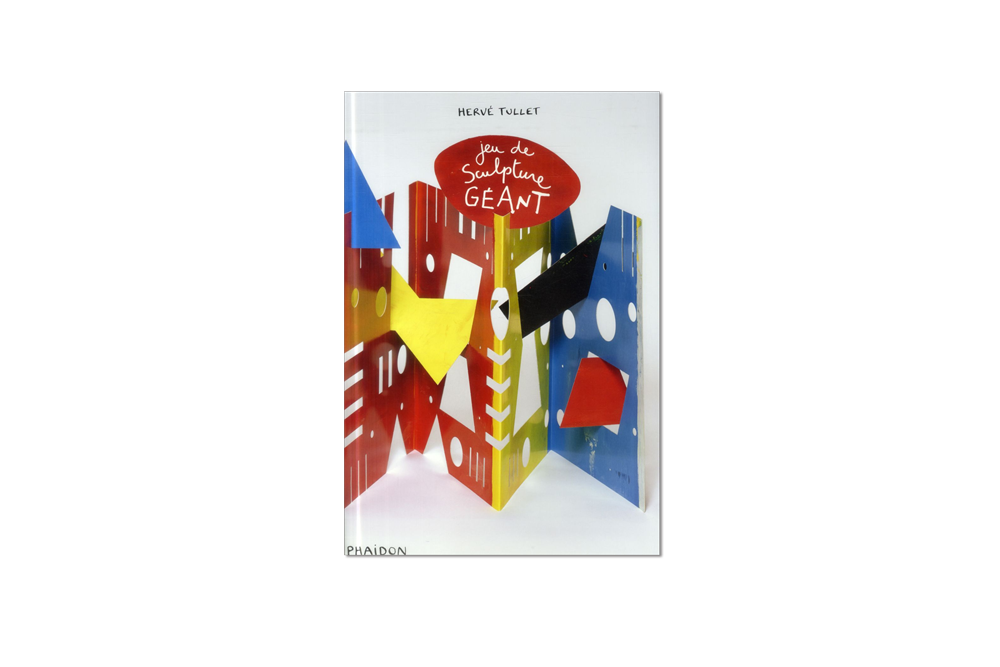
這些關鍵字有時相互補充,但又多少意義交疊。例如,《綻放(暫譯)》(Bloom)及《巨大的雕塑遊戲(暫譯)》(Jeu de sculpture géant)透過裝訂結構的設計,形塑書籍成為可佇立於桌面的擺飾物體。與此相對,《鳥落地後》(After a bird fell down)則凸顯了冊頁書(codex)的基本特性——由紙張依序堆疊而生的體積,可建構成一件容器。
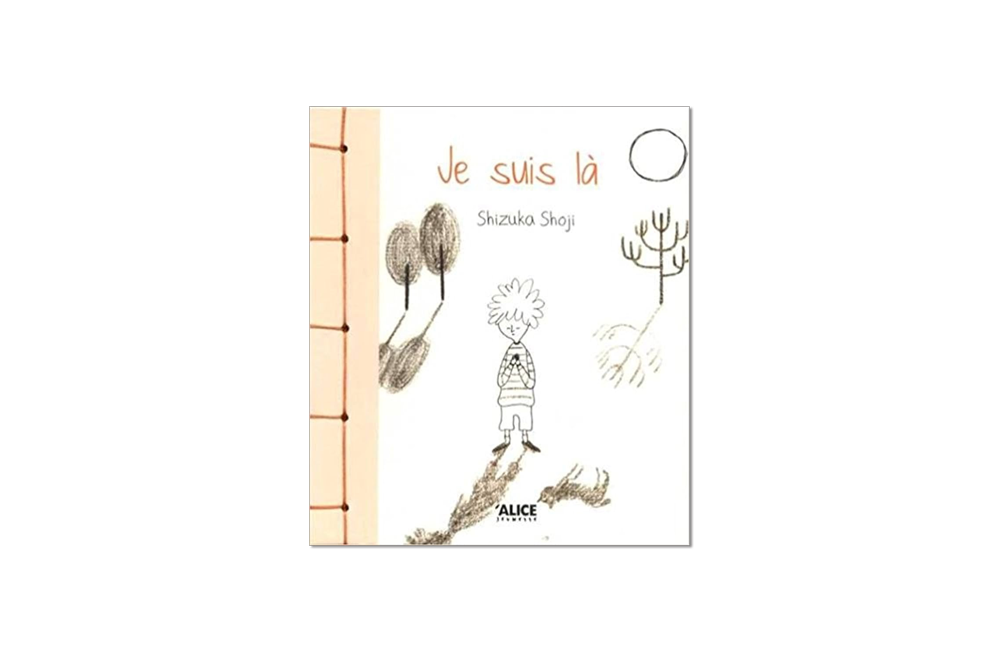
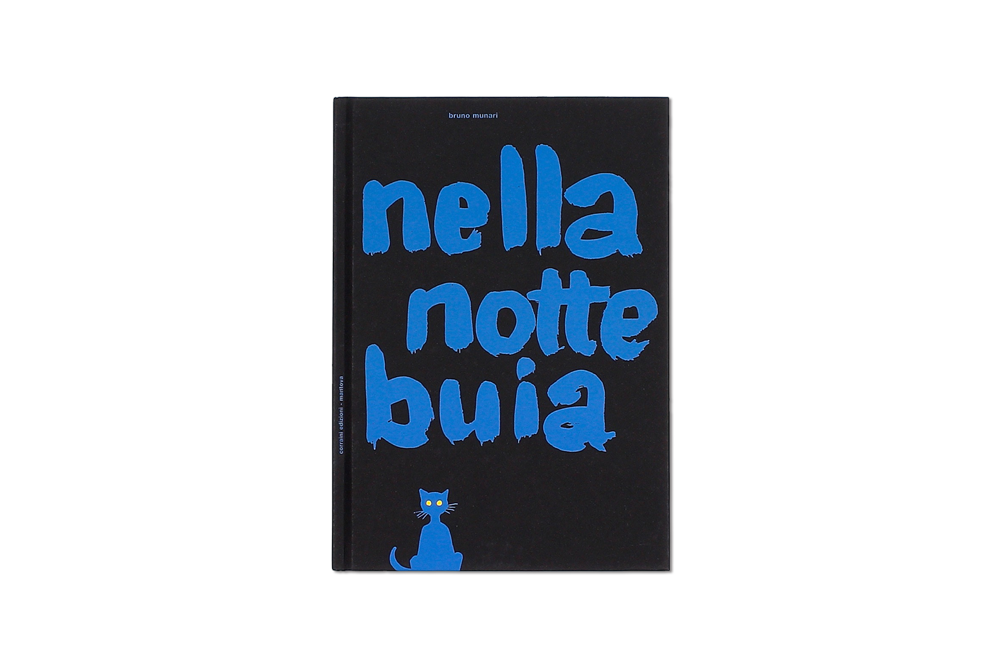
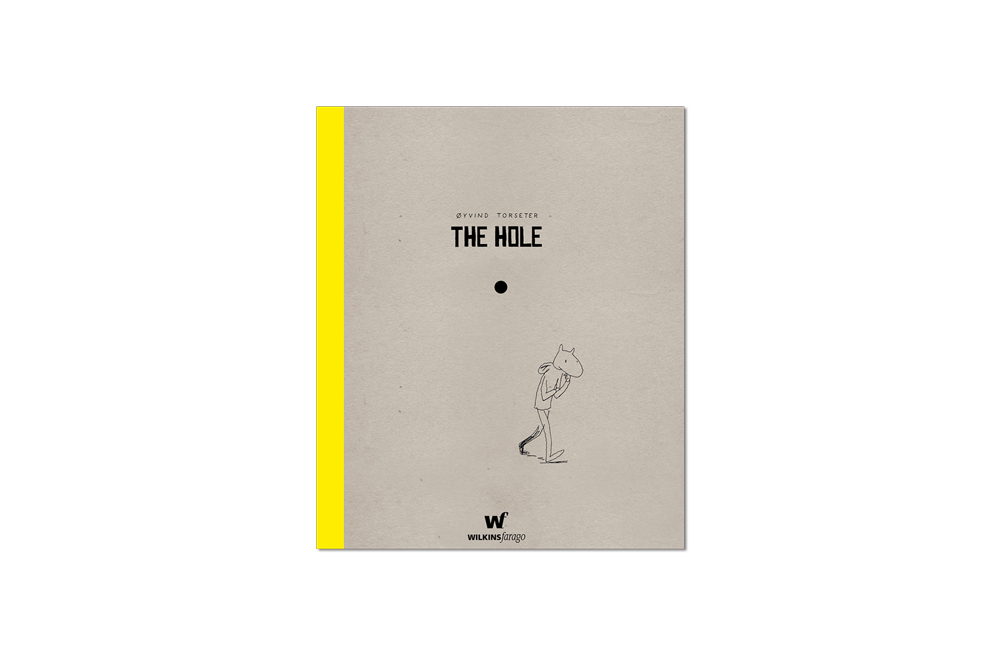
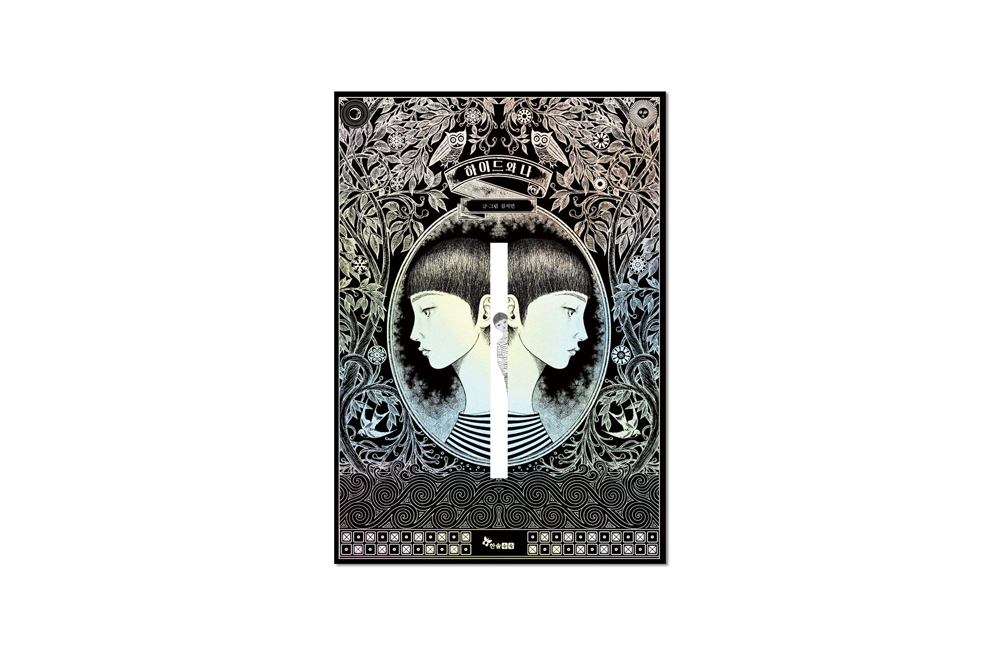
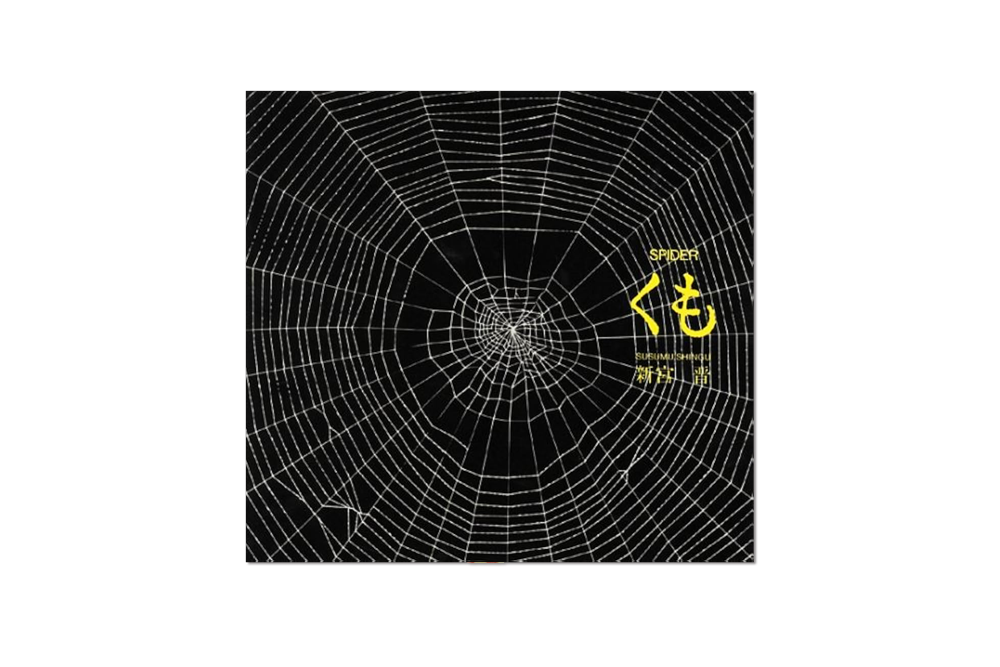
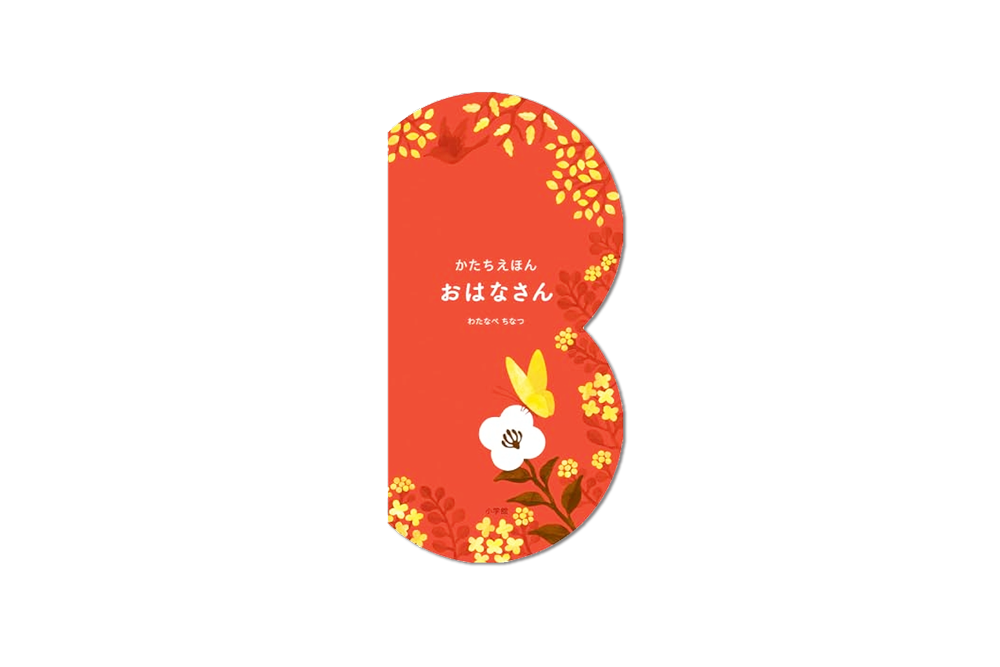
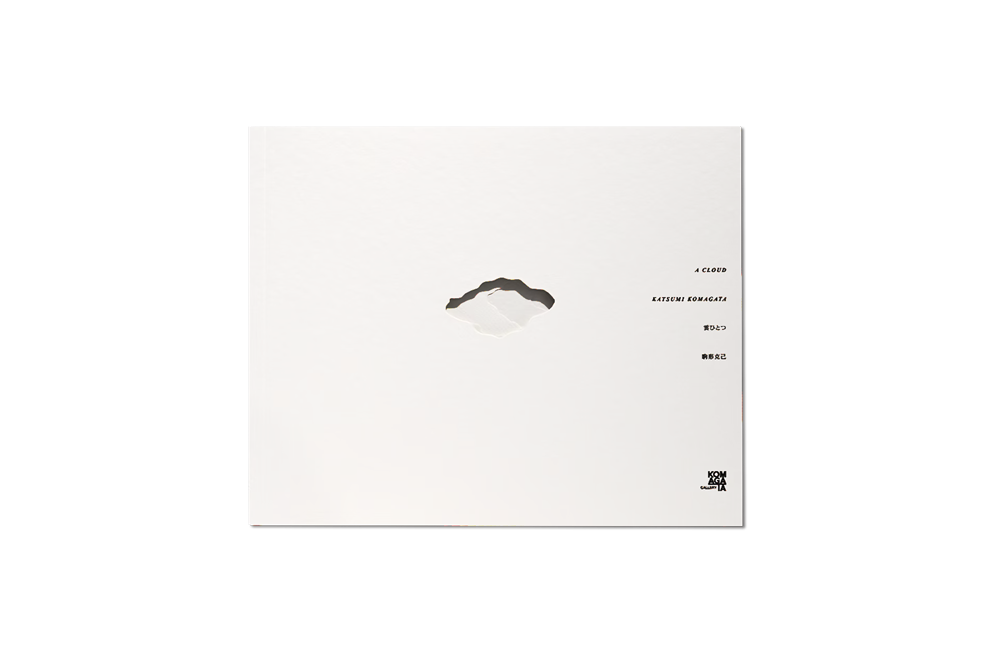
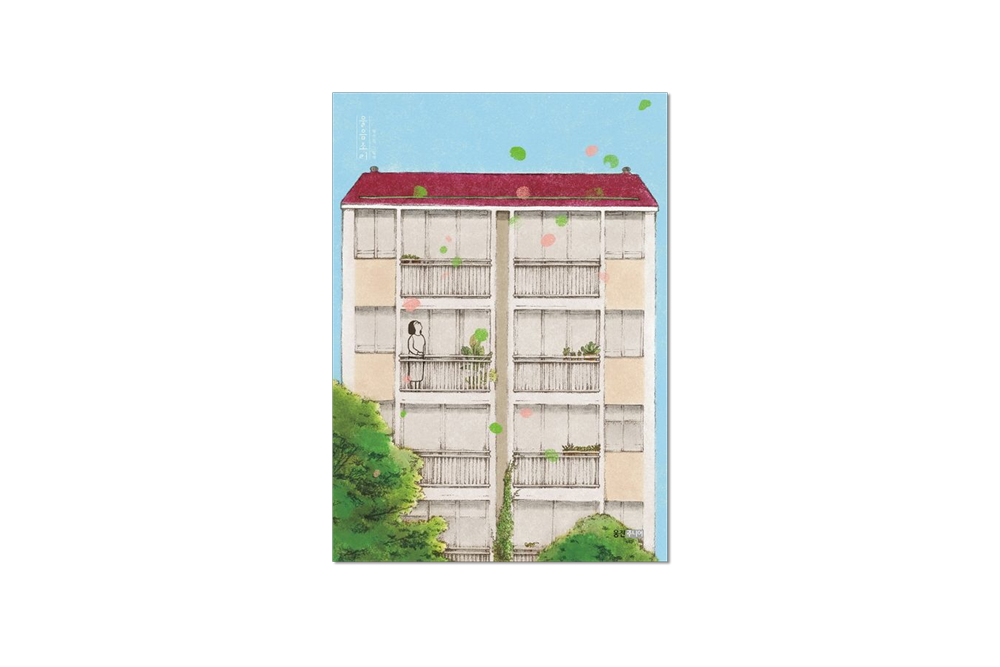
裝訂結構不僅帶來立體效果,還能透過序列性,為書籍添加時空隱喻。《一片雲(暫譯)》(A CLOUD)、《海德與我(暫譯)》(하이드와 나)及《洞(暫譯)》(The Hole),均利用層層的內頁挖洞創造出一條時空隧道,甚至將整本書形塑為一個場域。《蜘蛛》(くも)及《我在這裡(暫譯)》(Je suis la)則運用描圖紙的半透明特性,實體化時間的流轉及相異的次元。《暗夜中》(Nella notte buia)更可見以上兩種手法的綜合。而《形狀繪本:花(暫譯)》(かたちえほん おはなさん)則聚焦於透過裝幀形式塑造特殊的頁面空間。
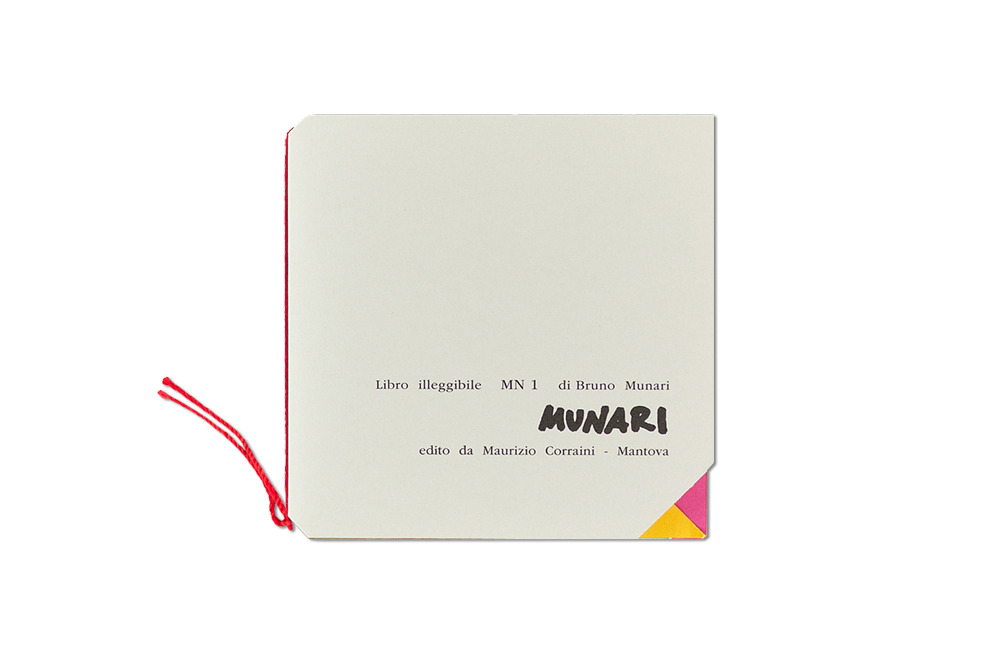
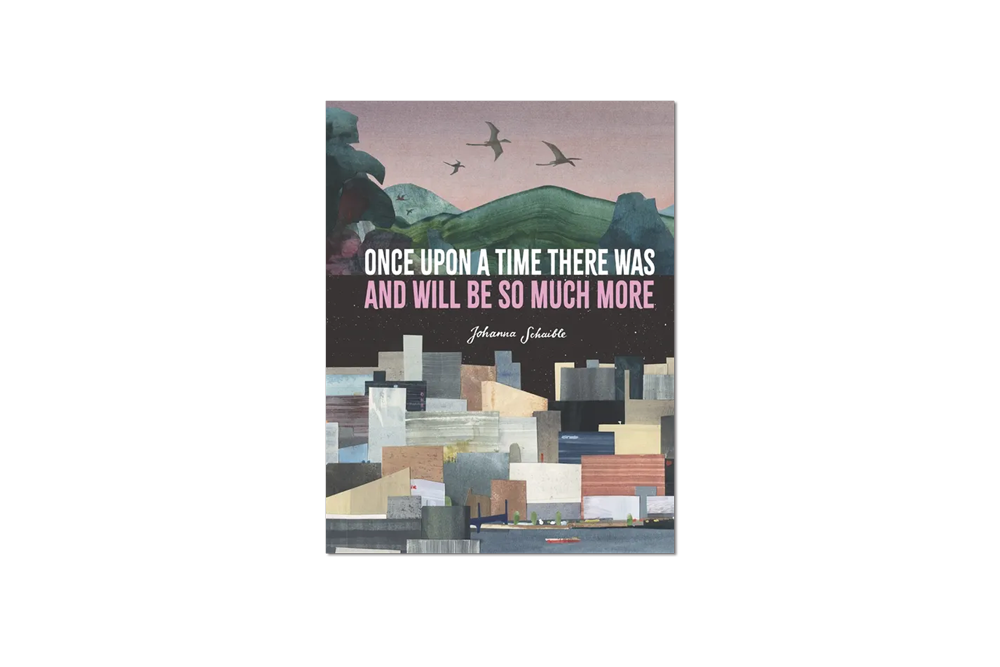
此外,除了擬仿具體物件的輪廓,頁面造型也能引發抽象意涵。例如《恆久以前,自此之後(暫譯)》(Once Upon a Time There Was and Will Be So Much More)藉由頁面尺寸的變化轉譯時間的遠近,而《無法閱讀的書 MN 1(暫譯)》(Libro illeggibile MN 1)則透過色紙與裁型,以顏色與形狀讓讀者重新思考何謂感官語彙。
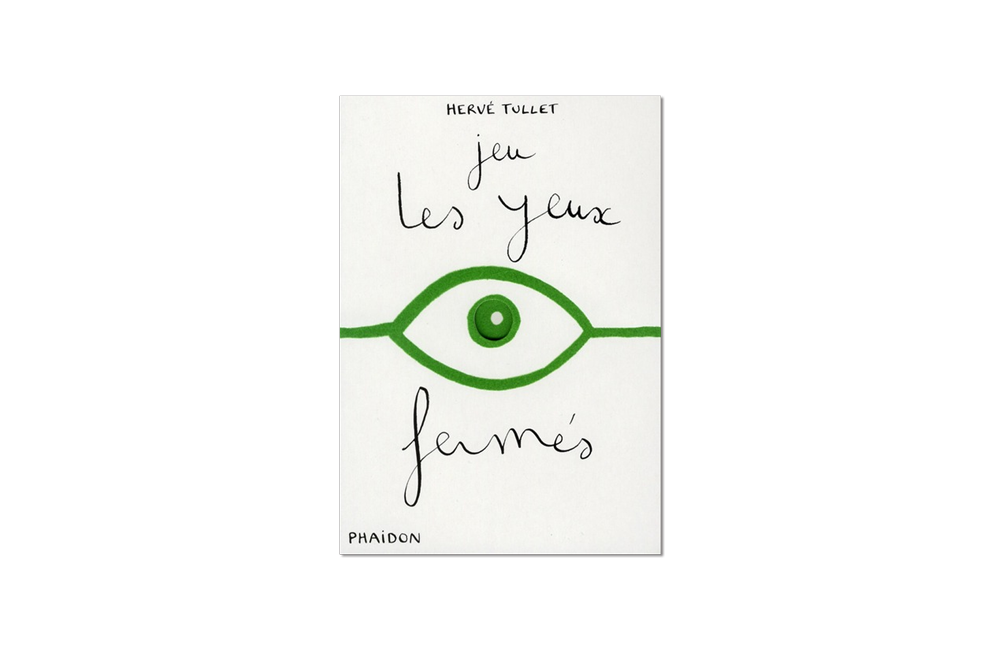
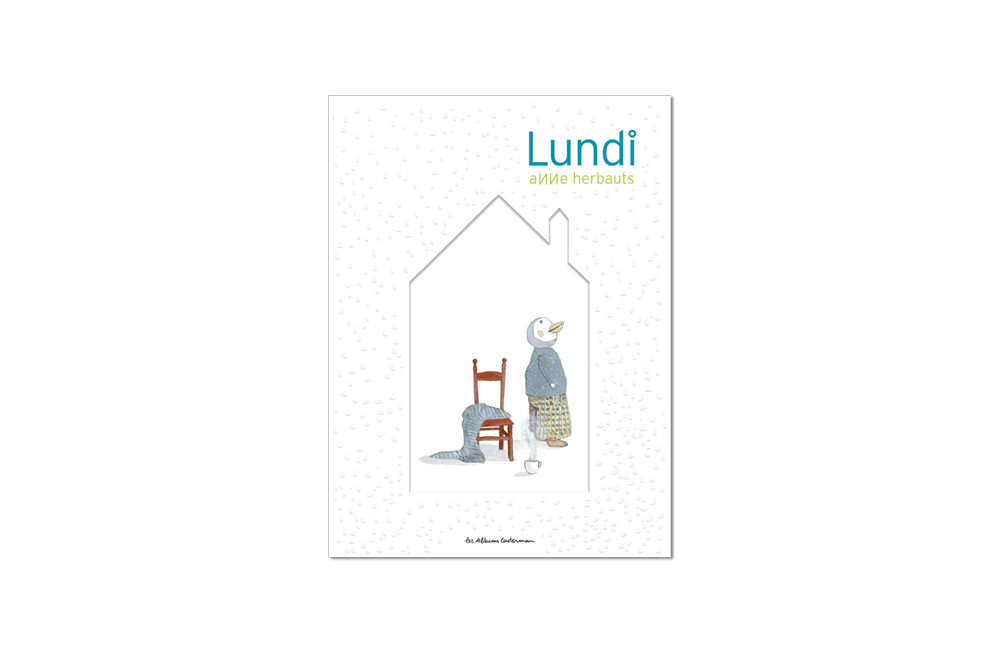
書的材質也是實驗繪本運用的重要元素之一。《星期一(暫譯)》(Lundi)運用打凹與局部加亮等增加觸感的印刷效果,加上內頁紙張的厚度變化,模擬出「存在與否」的狀態。《閉起眼睛的遊戲(暫譯)》(Jeu les yeux fermés)則以一條絨毛線條貫穿全書,引領我們伸出手指暢遊其中,專心進入感官體驗。
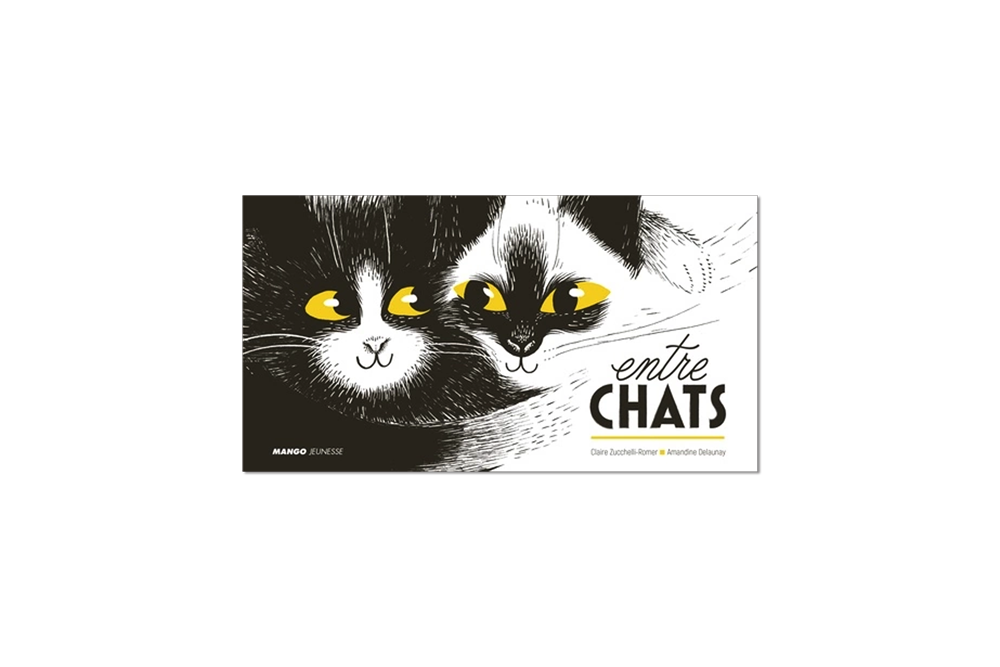
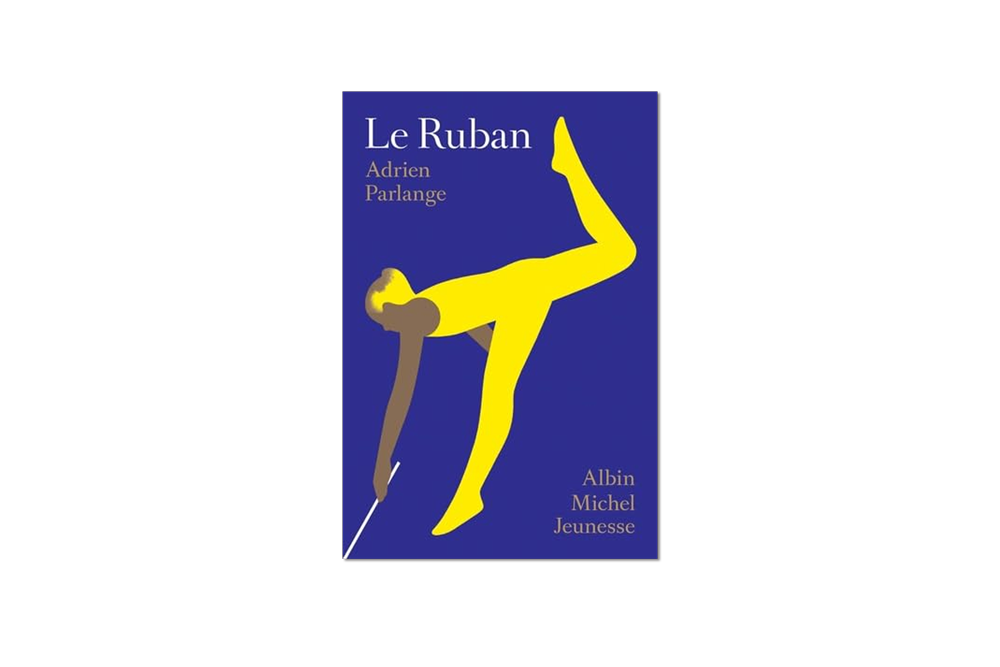
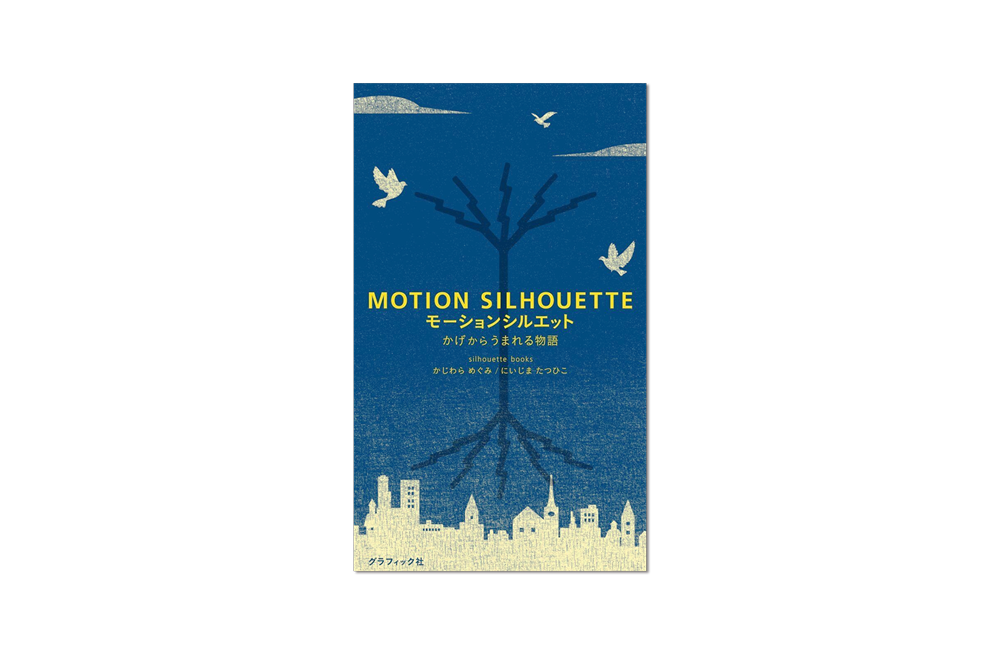
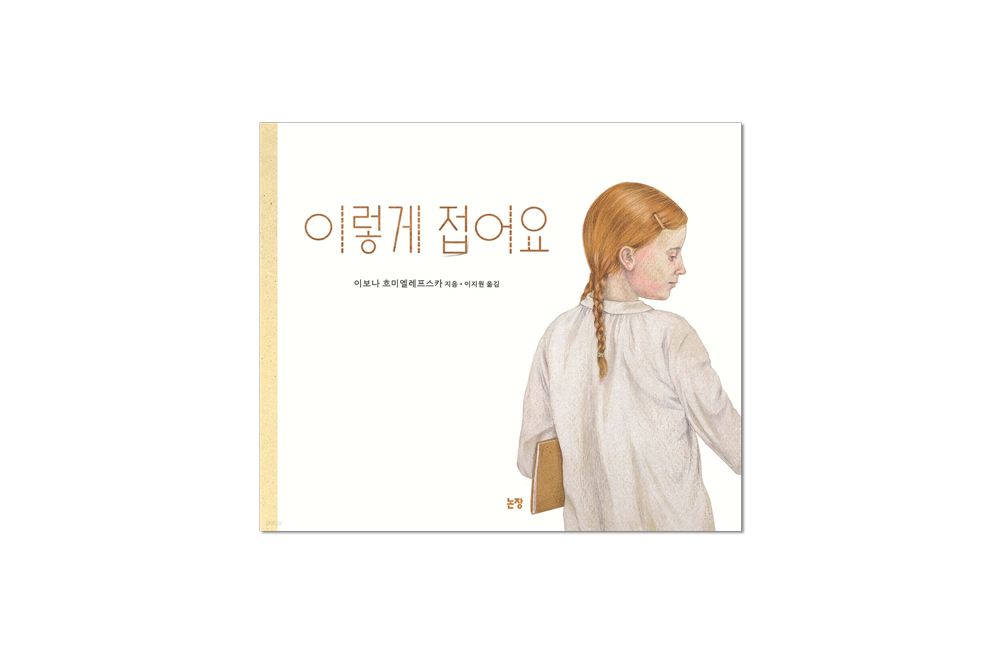
當讀者的行動成為作者完成創作的一部分,書籍也化作一種互動裝置甚至一位合作對象。《這樣折起來》邀請讀者親自摺疊頁面並思考引發的意義,《水族館(暫譯)》(AQUARIUM)將正反面圖像在翻頁動態中融為一體,《兩隻貓之間(暫譯)》(Entre chats)、《哭聲(暫譯)》(울음소리)及《動態剪影(暫譯)》(Motion Silhouette)則透過裝訂結構使翻頁動作成為內容的一部分,《絲帶》(Le Ruban)更巧妙地將書籤絲帶轉化為讀者與圖像互動的橋樑,使過程如同一場遊戲。
我們可以發現,這些關鍵字其實皆圍繞著一個核心意識——「如何理解繪本作為書」的這個觀念。
擅長將繪本轉化為遊戲體驗的法國藝術家赫威・托雷(Hervé Tullet)也曾這樣描述自己的創作思考:
我更在意的是如何呈現那本書背後的點子,而不是怎麼畫出來。這麼說吧,我著迷的是探求點子的本質,因爲這是最該傳達的重點。每一本書都是爲了要解決一個問題;每一本書都源於某個點子。1
換句話說,對托雷而言,書不只是傳達概念,而是要讓讀者積極閱讀,甚至實踐概念。當開始體認到繪本構築於上述書籍與閱讀間的雙向關係時,讀者也成為了「能動主體(active agent)」,不僅是單向接收者。除了內心的詮釋,讀者透過肢體、感官體驗,甚至直接介入與操作書籍。此時,閱讀已經不只是單純的理解,這個過程本身也成為了敘事的一部分。
或許,比起「書是什麼?」,從藝術繪本以及其可能性為起點,children eyes更想探問的是:「閱讀可以是什麼?」
一本書⋯⋯不是一個在互動之前就存在的靜態物體,而是由每一次閱讀活動所創造出來的新事物⋯⋯因此,在思考一本書時,無論是實體書還是電子書,我們應該引用海因茨・馮・福斯特 (Heinz von Foerster) 的話⋯⋯詢問一本書「如何實踐」其特定行動,而不是問一本書「是什麼」。2
當我們回到如同孩子般的視角,在未知與理解之間遊走,自然能擺脫固有觀念的束縛,自由創造文本新形式3。而這樣的視野,正是children eyes——沒有既定規則、也沒有必然因果,一切尚有可能的新鮮眼光。
Â
- Hervé Tullet, Sophie Van der Linden,《玩出藝術來!《小黃點》作者赫威.托雷的創意與靈感之旅》,木馬文化,2024。
- Johanna Drucker,〈The Virtual Codex: From Page Space to E-Space〉,2003。
- David Lewis,《Reading Contemporary Picturebooks: Picturing Text》,Routledge,2001。
- Exhibition Guide
“Before picturebooks become a narrative art form which interweaves text and images, they are, first and foremost, books.”
picturebooks have developed into an art form of text and images; rich theories and bases for creation have been accumulated. Even though picturebooks can be deemed as a mature art form, some authors endeavor to look for new possibilities by exploring the boundaries of books continuously.Â
In 1945, for his five-year-old son, Italian designer and artist, Bruno Munari, created a series of 9 books, which are regarded as pioneers of this kind of picturebook (this series was named asBooks of ‘45 by the later publisher). These booklets with mechanisms, cutouts and die-cuts transform picturebooks into page-turning games. In his later experimental works, such asLibri illeggibili andPrelibri, Munari further transcended the realm of text and images and investigated how paper and book structures could serve as messages.
However, in the early twenties, American artist and picturebook writer, Peter Newell, had created works likeTopsys & Turvys,The Hole Book,The Slant Book, andThe Rocket Book…etc. Newell carried out narrative experiments with materiality of books. He is the pioneer who makes picturebooks as “book-objects.”
Starting from such a kind of works which break their framed definition, children eyes tentatively names them as (experiment-focused) art picturebooks and follows the clues to uncover possibilities of reading. .
In this opening exhibition, 20 picturebooks are presented alongside 14 key concepts—object,play, container, space, collaborator, process of actions, binding structure, paper material, shape, printing effect, sensory experience, space-time sequence, concept, book—which can be deemed as multiplex approaches to understand and create picturebooks.
These key concepts sometimes complement one another. Sometimes they almost overlap each other. For instance,Bloom andThe Giant Game of Sculpture, viabinding structure, stand as decorativeobjects on table. In contrast,After the bird fell downadopts the fundamental characteristics of codex books—the volume created by stacked pages—to shape it into acontainer.
Binding structure not only adds the third dimension to books, but also creates temporality throughspace-time sequences in a metaphorical way. Works such asA CLOUD,Hyde & Seek, andThe Hole utilize layered cutouts to craft a tunnel through time and space of pages, which thusly make each of them aspace Meanwhile,Spider andJe suis là (I Am Here) use the semi-transparency of tracing paper to materialize the flow of time and different dimensions. InNella notte buia (In the Dark Night), above two techniques are combined. AndShape picturebook: Flowers focuses on creating special spaces through binding structure and unique framing of pages.
Furthermore, in addition to mimicking the outlines of concrete objects, pageshape design can also introduce abstract concepts to readers.Once Upon a Time There Was and Will Be So Much More translates the sense of time distance through size variations of pages.Libro illeggibile MN 1, via colors and shapes of cut-out, invites readers to rethink what the sensory languages of picturebooks are.Â
Materiality is also an important element used in experimental picturebooks.Lundi (Monday) employsprinting effects such as embossing and selective gloss to bring more tactility to readers. Paper thicknesse is also adopted to simulate presence and absence while thickness varies through pages. InThe Game of Let’s Go!, a fuzzy thread goes throughout the book, which encourages readers to explore its pages with their fingers and dive intosensory experiences.
When the reader’s (reading)process of actions become what the authors intend to include in his creations, books not merely come to be interactive devices, but alsocollaborators.Fun Paper Folding invites readers to fold pages and ponder upon what folding means.AQUARIUM merges images on reverse pages into one via page-turning whileEntre chats (Black Cat and White Cat),Crying Sound, andMotion Silhouette integrate page-turning made from binding structures as part of the narrative.Le Ruban (The Ribbon) bridges interactions between readers and images via a bookmark ribbon, which makes one toplay with.
To sum, we can find out that all these key concepts center around a leitmotif—the concept of“how do we understand picturebooks as books?”
French artistHervé Tullet, known for transforming picturebooks into playful experiences, once said:Â
“I was interested less by drawing, and more by the idea of the book. In fact, I was obsessed with the essence of an idea, since that is what communicates most strongly; every book must resolve a question; every book is supported by an idea.”1
In other words, to Tullet, books are not just concept carriers. They invite readers to read actively and even put concepts into practice. When readers begin to realize the two-way relationship between picturebooks and reading, they, except for passive recipients, becomeactive agents. In addition to internal interpretation, through sensory experience, physical movement, and even direct intervention and manipulation of books, readers can grasp authors’ intentions and even transform reading into a part of authors’ narrative..
Rather than asking “what is a book?”, from art picturebooks and their possibilities, children eyes means to explore:what can reading be?
A book…is not an inert thing that exists in advance of interaction, rather it is produced new by the activity of each reading…Thus in thinking of a book, whether literal or virtual, we should paraphrase Heinz von Foerster… and ask “how” a book “does” its particular actions, rather than “what” a book “is.”²
By returning to children’s perspectives which wander between unknowing and understanding, we can liberate ourselves from pre-existent notions and freely create new forms of text. Such vision is precisely whatchildren eyesis—a fresh viewpoint without rules or causality, which thusly makes everything possible.
- Hervé Tullet, Sophie Van der Linden,Hervé Tullet’s Art of Play: Images and Inspirations from a Life of Radical Creativity, Chronicle Books LLC, 2022.
- Johanna Drucker, “The Virtual Codex: From Page Space to E-Space”, 2003.
- David Lewis, Reading Contemporary Picturebooks: Picturing Text, Routledge, 2001.